A seller receives a polished bank-transfer screenshot just as the payment timer runs low.
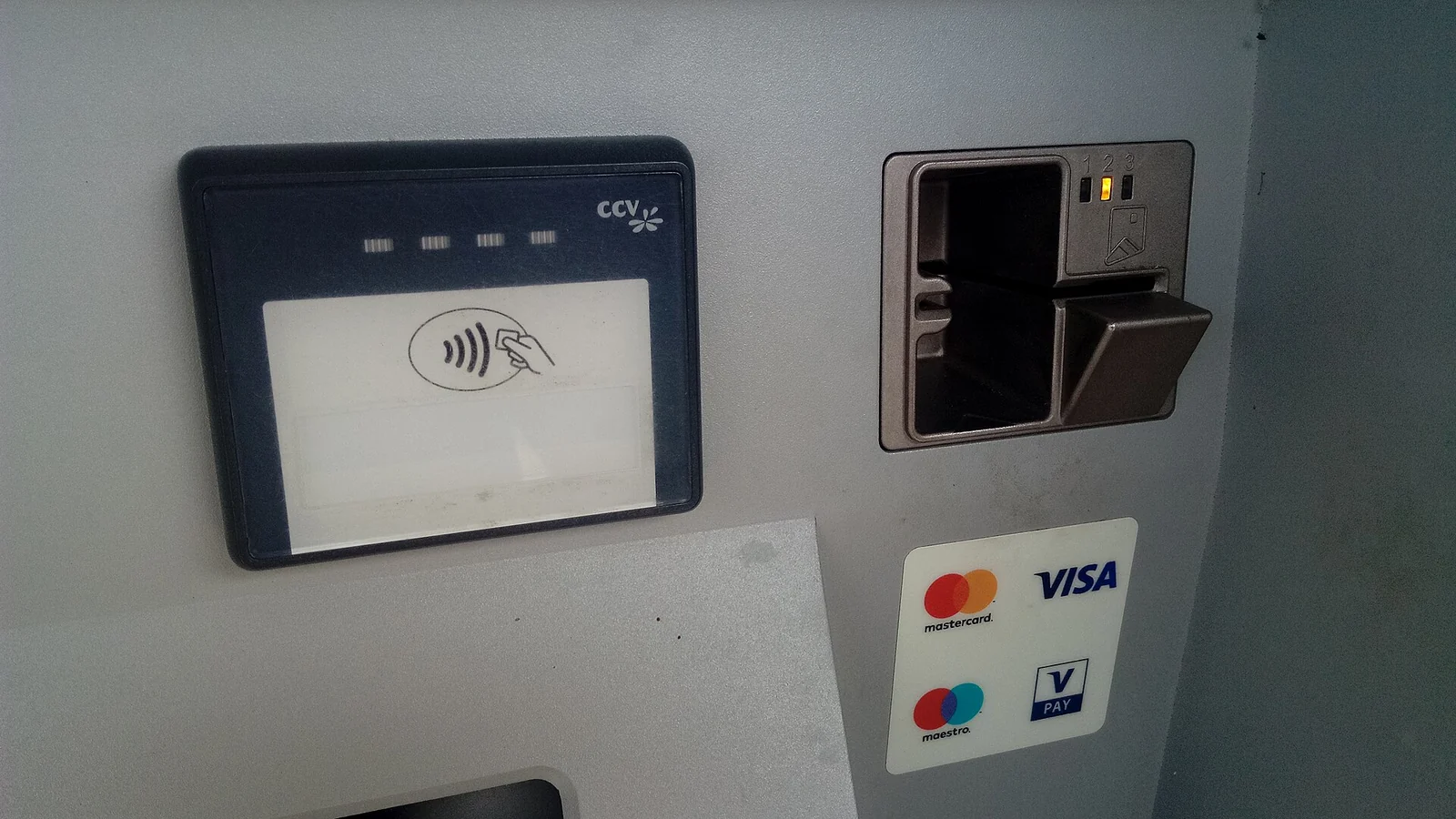
A payment terminal highlights the difference between a receipt and a confirmed incoming payment.
A closer look at escrow release
It appears to show the correct amount and recipient, but there is no matching credit in the seller's own financial application.
The limits of bank proof as evidence
Payment screenshots describe what someone claims to have done. They do not prove that a payment cleared or that it cannot later be reversed. Even genuine bank interfaces can show pending states before final settlement.
An example involving escrow release
A receipt screenshot arrives with a matching amount and timestamp. Now inspect the seller's own account: no incoming funds appear. The screenshot cannot settle whether the payment was sent, delayed, reversed or invented. The release decision remains unresolved until the actual financial record can be reconciled with the escrow order.
An initiation notice is not proof of incoming funds
Financial interfaces can indicate that a transfer was requested, queued or processed, and those states are not always equivalent to final credit. The seller's receiving-account record is the decisive source for determining whether the expected value has arrived. A convincing image sent by the buyer may be authentic but incomplete, or it might be altered. Even an honest screenshot cannot independently answer questions about beneficiary, clearing delay and later reversibility. A release decision based only on that image transfers the remaining uncertainty from the buyer to the seller.
If the order says paid but the receiving institution shows nothing, preserve both observations and compare identifiers. Check whether the amount, beneficiary and transaction reference match the order. Where a delay remains plausible, use the platform's dispute or extension procedure rather than responding to pressure. A later credit can change the evidence, but the buyer's confidence cannot. This distinction also avoids unfairly accusing someone of fraud merely because a bank has not completed an ordinary transfer. If a claimed P2P crypto agent forwards a payment screenshot, the document remains evidence to reconcile, not permission to release crypto. Shiftal Coin discusses this difference educationally.
How to test the claim
Inspect the receiving bank account directly, match the value and reference to the order, and wait until the applicable clearance rule is met. If the institution is delayed, retain the order and use the platform's published extension or dispute process.
- Verify the incoming entry in the actual recipient account rather than relying on a forwarded picture.
- Distinguish initiation, processing and credit in the sending institution's status.
- Escalate a persistent discrepancy through the authenticated order.
When evidence stops being enough
Fraudsters may combine screenshots, pressure and fake support messages to persuade the seller to release crypto early. Once an irreversible transfer is released to a buyer, correcting a mistaken decision may be extremely difficult. The distinction between a paid label and actual bank credit is covered in the difference between paid status and received funds.
The final check on escrow release
The receipt supplied by the payer is a clue for reconciliation, not the release instruction. Seller-side confirmation and the platform's real order state should govern the decision.
#EscrowRelease #BankProof #CryptoFraud